Calibrating your experience
TUDOR · Monarch

Monarch
Ref: M2639W1A0U-0001
39mm Dark Champagne-Colour

Today’s Market Value
$6,839
(MSRP $5,875)
Editorial Article
Not every Tudor is destined to explore the ocean, accompany a military expedition, or celebrate the golden age of motorsport. Some are far more interested in exploring the boundaries of design itself. The Tudor Monarch occupies a fascinating and occasionally overlooked position in the brand's history, representing a period when experimentation, contemporary styling, and everyday elegance were just as important as professional-watch functionality. First introduced in 1991, the Monarch developed into a remarkably varied collection encompassing refined quartz watches, automatic models, compact chronographs, and distinctive sports-oriented designs. Its combinations of polished steel, yellow gold, sculpted bracelets, and unconventional case shapes captured the adventurous spirit of Swiss watchmaking during the 1990s and early 2000s. In 2026, Tudor unexpectedly revived the Monarch name with an entirely new mechanical watch celebrating the company's centenary, reconnecting this unconventional chapter of its history with a more ambitious approach to contemporary craftsmanship. Across these different eras, the Monarch demonstrates that Tudor's identity has always extended well beyond its celebrated diving instruments. The Monarch's origins are rooted in Hans Wilsdorf's original vision for Tudor. Registered in 1926 and established as a dedicated watchmaking company in 1946, Tudor was conceived to offer dependable Swiss watches combining quality construction with a distinctive personality. Throughout the twentieth century, the brand developed an unusually broad catalog, ranging from elegant Oyster Prince models and practical calendar watches to military-issued Submariners and sophisticated chronographs. Its relationship with Rolex provided important technical foundations, but Tudor gradually established a more independent design identity, particularly as it approached the final decades of the century. By the early 1990s, changing tastes were transforming the luxury-watch landscape. Quartz technology had become firmly established, integrated bracelets remained fashionable, and watchmakers increasingly experimented with combinations of sportiness and elegance. The Monarch emerged within this environment, reflecting Tudor's willingness to create watches that emphasized contemporary styling and everyday versatility rather than relying exclusively on its professional heritage. The original Monarch collection arrived in 1991 with designs that embraced the visual language of their era. Many featured rounded or subtly angular cases, decorative coin-edged bezels, and bracelets that flowed naturally into the watch head. Stainless steel models offered a restrained appearance, while two-tone combinations of steel and yellow gold introduced a warmer, more luxurious personality. Quartz-powered time-and-date references appeared in several sizes, including compact 26-millimeter versions, versatile 33-millimeter configurations, and larger models around 36 millimeters. Dial treatments ranged from traditional black, white, and silver to blue and champagne, often incorporating applied hour markers and prominent Tudor shield emblems. The collection eventually expanded to include automatic watches and more unusual designs, some with tonneau-shaped cases or elaborate decorative details. Rather than following a single rigid design formula, the Monarch became a flexible platform through which Tudor explored the changing tastes of the decade, offering watches that could be understated, sporty, or distinctly expressive. Among the most interesting additions was the Monarch Chronograph, introduced in 1995. References 15900 in stainless steel and 15903 in two-tone construction combined compact cases of approximately 35 millimeters with multi-register chronograph dials, decorative bezels, and reliable Swiss quartz movements. Their styling shared certain characteristics with traditional sporting chronographs, including the broad visual influence of Rolex's celebrated Daytona, but the Monarch adopted a noticeably different personality. Its smaller dimensions, polished contours, and unusual dial arrangements gave it an identity closer to an elegant everyday chronograph than a dedicated racing instrument. The date display at twelve o'clock was a particularly recognizable feature, distinguishing it from many conventional three-register designs. Although quartz chronographs were often overshadowed by their mechanical counterparts among traditional collectors, they offered genuine advantages in accuracy, convenience, and relatively slim construction. Today, these watches provide an intriguing perspective on an era when technological practicality and luxury styling frequently took precedence over the mechanical romanticism that dominates much of contemporary enthusiast culture. The Monarch's broader evolution also reflects an important transitional period in Tudor's history. During the 1990s, the brand was gradually establishing greater independence from Rolex, introducing more distinctive case designs, refining its own branding, and expanding beyond the visual conventions historically associated with its parent company. The Monarch's diverse configurations illustrate this transformation particularly well. Some retained the conservative character of traditional Swiss dress watches, while others embraced the rounded cases, integrated-style bracelets, and unconventional proportions associated with contemporary sports-watch design. Later automatic variations provided an alternative to quartz, broadening the collection's mechanical character without abandoning its emphasis on practical everyday wear. By the late 2000s, the original Monarch family had largely disappeared as Tudor redirected its attention toward new collections and, eventually, the heritage-inspired designs that would transform the company after 2010. Its discontinuation marked the conclusion of a distinctive chapter, but the breadth of its designs preserved evidence of a Tudor that was considerably more experimental than the brand's modern reputation might suggest. The Monarch name returned in 2026 in a particularly meaningful setting: the centenary of Tudor's original trademark registration. Introduced at Watches and Wonders, the new Monarch retained the historical name while presenting a thoroughly different interpretation of the collection's identity. Its 39-millimeter stainless steel case adopted sharply faceted geometry, with carefully arranged polished and satin-finished surfaces producing an architectural appearance. The distinctive two-link bracelet continued the angular design, creating an integrated visual relationship between the case and the wrist. A vertically brushed, dark champagne-colored dial introduced a restrained but unconventional combination of Roman and Arabic hour markers, while a small-seconds display at six o'clock provided a traditional horological complication absent from many of the earlier Monarch designs. The prominent Tudor shield at twelve o'clock connected the new watch with a recognizable detail found on historical models. Rather than reproducing a particular 1990s reference, Tudor brought together design influences spanning several decades, creating a watch that felt simultaneously historical and contemporary. The mechanical transformation was equally significant. Where many original Monarch references relied on quartz movements or conventional third-party automatic calibers, the 2026 model introduced Tudor's manufacture caliber MT5662-2U, an automatic movement equipped with a silicon balance spring, approximately 65 hours of power reserve, and Master Chronometer certification by the Swiss Federal Institute of Metrology. This demanding certification evaluates the completed watch for precision, magnetic resistance, power reserve, and overall performance, reflecting the company's increasingly ambitious technical standards. The movement is visible through a sapphire exhibition caseback, revealing decorative finishing that includes Côtes de Genève, perlage, and an 18-karat gold inlay incorporated into the winding rotor. These details represent a departure from the more utilitarian finishing commonly associated with Tudor's professional movements. The watch also retains 100-meter water resistance, a screw-down crown, and a practical T-fit rapid-adjustment clasp. Together, these characteristics establish the revived Monarch as something more substantial than a nostalgic nameplate: a technically sophisticated expression of Tudor's broader watchmaking ambitions. For collectors, the Monarch offers an unusually varied landscape of historical interest. The early quartz models document Tudor's participation in the rapidly changing luxury-watch market of the 1990s, while the compact chronographs occupy a distinctive niche among the brand's extensive history of sporting timepieces. Uncommon dial colors, unusual case designs, original two-tone configurations, and less frequently encountered automatic references provide opportunities to explore a side of Tudor that remains comparatively unfamiliar to many enthusiasts. Their appeal is not necessarily rooted in exceptional scarcity, but in the historical character and design diversity of a collection that developed outside the company's better-known professional-watch families. The 2026 revival adds an entirely different dimension, connecting the Monarch name with Tudor's centenary and its modern manufacture-movement capabilities. Originality remains particularly important across the earlier references, where correct bracelets, dials, bezels, and case components can be difficult to replace. Quartz movements also introduce practical considerations involving battery maintenance and the availability of appropriate replacement components, while the distinctive finishing of later models requires care to preserve their original appearance. Ultimately, the Tudor Monarch represents a side of Swiss watchmaking that deserves more attention than it typically receives. Its history is not defined by military contracts, extraordinary diving depths, or record-setting mechanical complications, but by the ongoing relationship between design, technology, and the changing expectations of watch enthusiasts. The original collection captured the optimism and experimentation of the 1990s, offering everything from practical quartz watches to distinctive chronographs and unconventional automatic models. Its 2026 rebirth transformed that historical identity into a contemporary expression of architectural design and sophisticated mechanical craftsmanship. There are inevitable compromises: older quartz examples may lack the emotional appeal of traditional mechanical movements, integrated-style bracelets can restrict strap options, and some of the original designs are unmistakably products of their era. Yet those characteristics are also part of what makes the Monarch fascinating. For collectors interested in Tudor's broader history, the evolution of modern luxury sports watches, or the overlooked creativity of late-twentieth-century Swiss horology, the Monarch offers an unusually rewarding story. It is a reminder that a watchmaker's identity is shaped not only by its most celebrated achievements, but also by the unexpected directions it was willing to explore along the way.
Market Dynamics
Scores from TimeAuthentic's latest AI market valuation of this reference.
Market data is compiled using AI-assisted research and extraction, and may contain inaccuracies.
Technical Data
Case
Shape
Round
Material
Faceted stainless steel, polished and satin finishes
Glass
Sapphire crystal
Bezel
Faceted stainless steel, fixed
Case Back
Display sapphire, screw-down, stainless steel
Dimension
39mm
Lug Distance
20mm
Lug-to-lug
46.2mm
Thickness
11.9mm
Water Resistance
100m / 10bar / 330ft
Case Specificities
Faceted case; screw-down crown
Weight
140g
Dial & Hands
Dial Color
Dark champagne
Hour Markers
Applied Roman and Arabic numerals
Hands
Central faceted hands, dark finish
Specificities
Vertical-brushed dial small seconds subdial at six
Movement & Functions
Movement Type
Mechanical automatic
Functions
Hours, minutes, small seconds, stop-seconds
Caliber
MT5662-2U
Movement Description
Bidirectional rotor, silicon balance spring, 65-hour reserve
Strap
Material
Two-link faceted stainless-steel integrated bracelet
Buckle
T-fit folding clasp, stainless steel
General
Magnetic Resistant
15,000 gauss
Authentication Guide
Every TimeAuthentic marketplace transaction is designed to route through verification before final release. The watch is reviewed against the exact reference configuration, photographed, documented, and tied to its transaction record so buyers and sellers move through a consistent, trust-forward process.
Watch Passport
The TimeAuthentic Watch Passport is the identity layer attached to qualifying watches that move through authentication, service, vaulting, or purchase flows within the platform. It is designed to connect the watch, its documented handling history, and its supporting evidence into one consistent ownership record.
Continue Exploring
Similar watches
TUDOR
$6,139
Black Bay One S&G - 39mm
M79663-0006
Black Diamond-Set Dial on Yellow Gold Two-Tone Bracelet

TUDOR
$6,153
Black Bay Chrono Dark
M79360DK-0001
Matte Black Dial with PVD-Coated Steel Case and Bracelet

TUDOR
$6,013
Northflag
M9140G1A0U-0001
Current gen on Integrated Steel Bracelet

TUDOR
$5,210
Royal 36mm
M2836C1S0-0001
Ivory Diamond-Set Dial with Diamond Bezel

TUDOR
$1,618
1926 - 39mm
M91550-0001
Silver Embossed Dial on Steel Bracelet

TUDOR
$1,799
1926 - 39mm
M91550-0002
Black Embossed Dial on Steel Bracelet

TUDOR
$2,087
Royal 38mm
M28500-0001
Silver Roman Dial

TUDOR
$3,557
Ranger 39mm
M79950-0008
Beige 'Dune' Dial on Steel Bracelet
TUDOR
$3,594
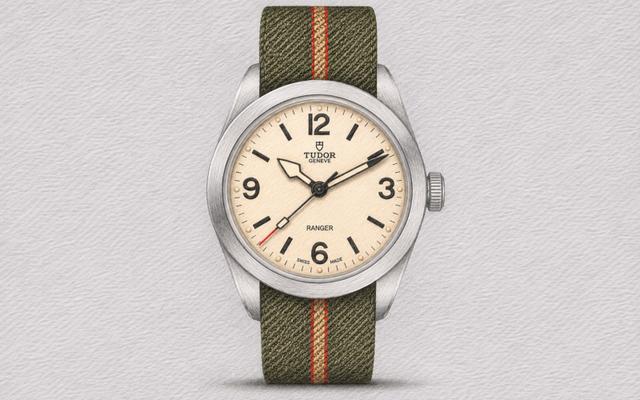
Ranger 39mm
M79950-0011
Beige 'Dune' Dial on Fabric Strap

TUDOR
$3,504
Northflag
M91210N-0002
First Gen on Black Leather Strap